-
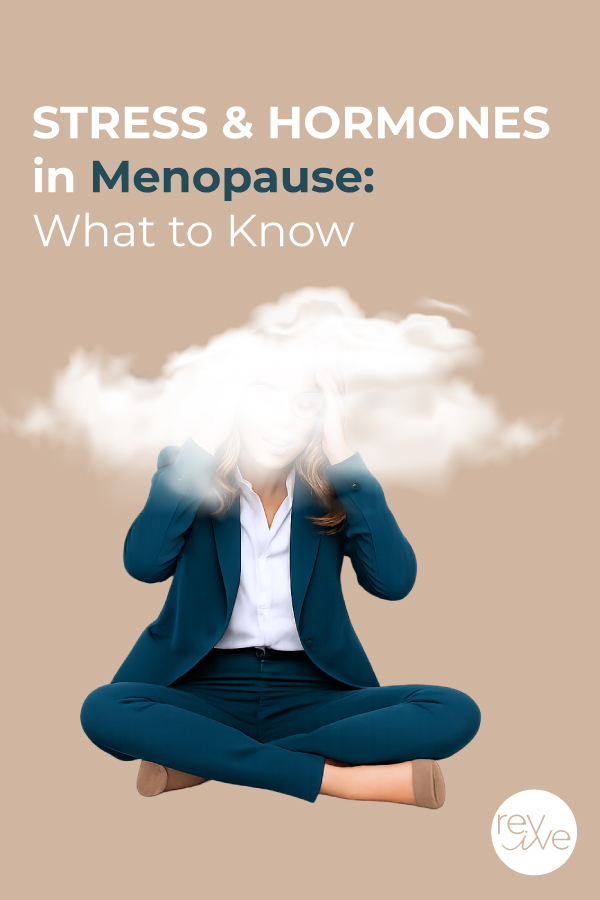
Stress & Hormones in Menopause: What to Know
How Stress Impacts Your Hormones in Menopause
Chronic stress doesn't just affect your mood --- it directly impacts your hormones. Elevated cortisol levels disrupt estrogen, progesterone, and thyroid function, creating imbalances that can lead to fatigue, anxiety, and weight gain. Stress also interferes with blood sugar and insulin regulation, increasing cravings and causing weight fluctuations.
Why This Matters
During menopause, hormonal shifts are already underway. Adding chronic stress to the mix intensifies symptoms, making it harder to maintain energy, emotional stability, and metabolic health. Understanding the stress‑hormone connection is the first step toward reclaiming balance.
How to Support Your Hormones Through Stress
- Practice deep breathing and mindfulness to calm the nervous system and lower cortisol.
- Move with gentle exercise like walking or yoga to reduce stress without spiking cortisol.
- Eat protein, healthy fats, and fiber to stabilize blood sugar and minimize cravings.
The Bottom Line
Stress is inevitable, but its impact on hormones can be managed. By combining mindfulness, gentle movement, and balanced nutrition, women in menopause can reduce cortisol's effects and restore hormonal harmony.
At Revive, we empower women with practical strategies to ease stress, balance hormones, and thrive during perimenopause and menopause.
Blog Tag -